

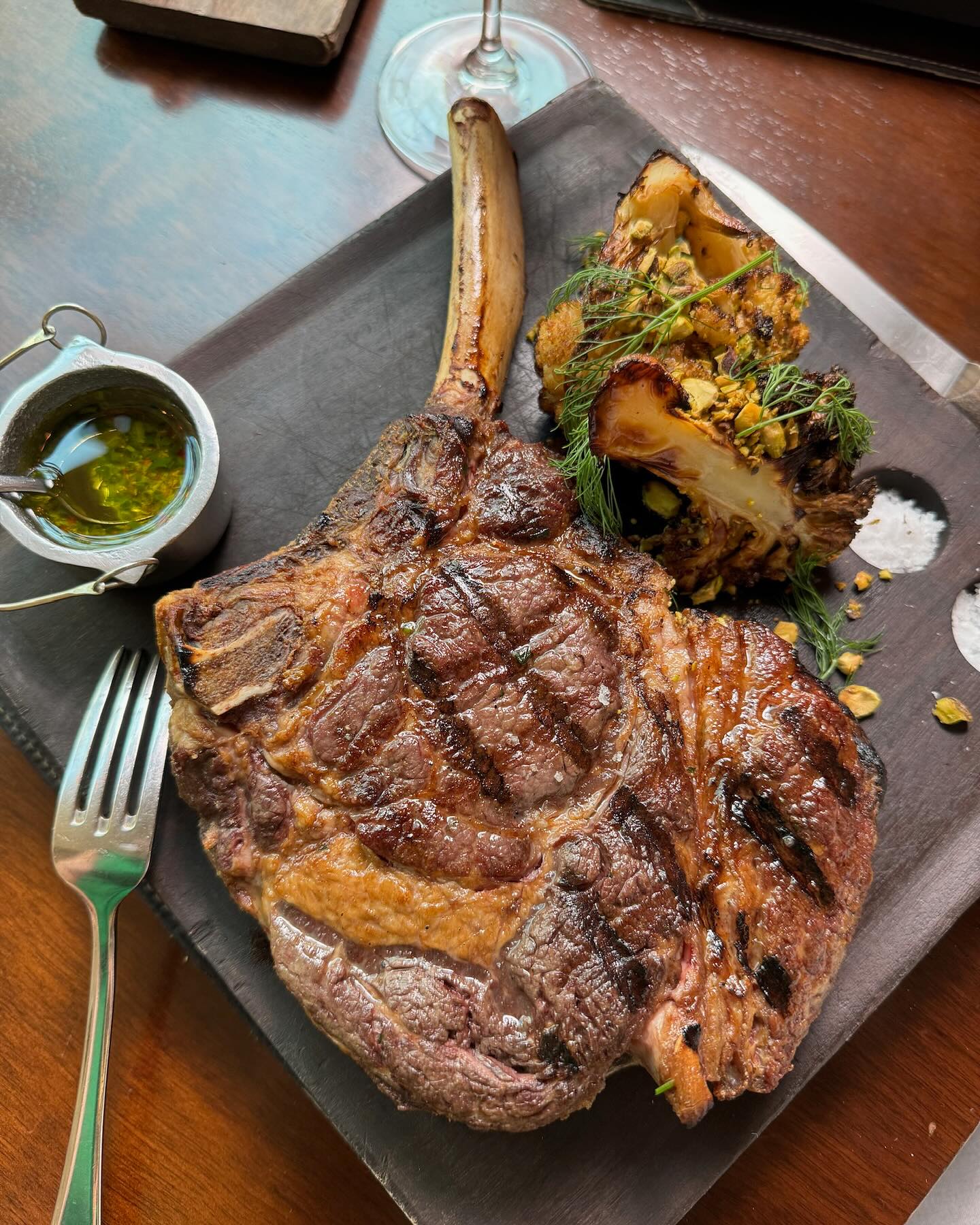
Argentina, a country renowned for its rich cultural heritage and breathtaking landscapes, also boasts a dynamic and diverse culinary scene. From the bustling streets of Buenos Aires to the remote countryside of Patagonia, Argentine cuisine offers a delightful journey through tradition, innovation, and regional diversity. Known primarily for its exceptional beef and legendary barbecues, Argentina’s food scene extends far beyond the grill, incorporating a variety of flavors influenced by its European heritage and indigenous roots.


The Heart of Argentine Cuisine: Asado
Asado: More Than Just a Barbecue
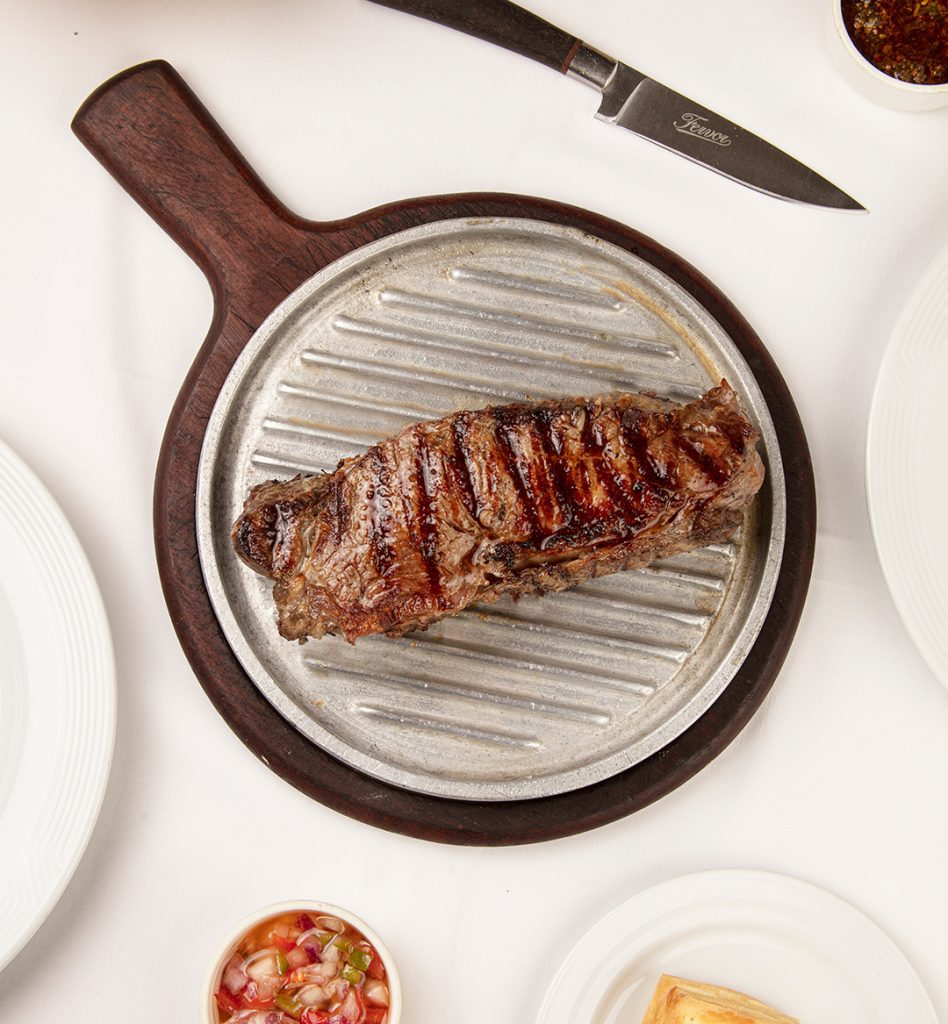
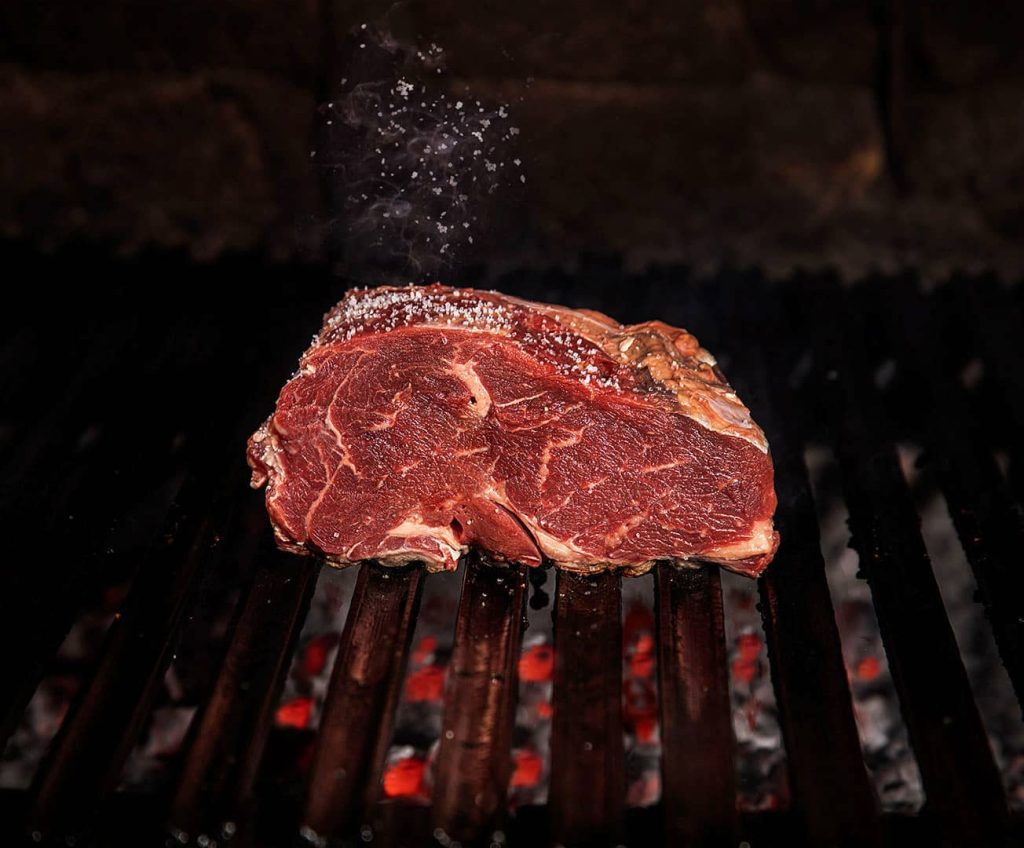
At the heart of Argentine cuisine is the asado, a social and culinary tradition that goes beyond mere cooking. Asado, the Argentine barbecue, is an event that brings friends and family together to enjoy a communal meal. The centerpiece of any asado is the parrilla, a large grill where various cuts of beef, sausages (chorizos), sweetbreads (mollejas), and other meats are cooked slowly over wood or charcoal.
Key Elements of Asado:
- Beef: Argentina is world-famous for its beef, particularly cuts such as ribeye (ojo de bife), flank (vacío), and short ribs (costillas).
- Chimichurri: This quintessential Argentine sauce, made with parsley, garlic, vinegar, oil, and red pepper flakes, is a staple accompaniment to grilled meats.
- Provoleta: A melted, grilled provolone cheese often served as an appetizer.
- Pizza-Style Matambre: A thin slice of beef topped with tomato sauce and cheese, grilled until crispy.
Asado isn't just about the food—it's also about the ritual, in which the asador (grill master) plays a crucial role in ensuring that everything is cooked to perfection.
Beyond Beef: The Diverse Flavors of Argentina
Empanadas: A Portable Delight
Empanadas are a beloved Argentine snack, perfect for any time of day. These savory pastries are typically filled with ground meat, onions, olives, hard-boiled eggs, and spices. Each region of Argentina has its own variation:
- Salteñas: Originating in Salta, these empanadas are known for their juicy filling, which often includes potatoes and a touch of cumin.
- Tucumanas: Originating in Tucumán, these empanadas are made with lemon-flavored dough and a spicier filling.
Italian Influence: Pasta and Pizza
Due to the significant Italian immigration to Argentina, Italian cuisine has had a profound impact on the country’s food scene. Pasta dishes such as gnocchi (ñoquis)—often served on the 29th of each month for good luck—and Milanesa, a breaded and fried meat cutlet similar to the Italian cotoletta, are staples in Argentine households.
Pizza in Argentina has its own unique twist, characterized by a thicker, bread-like crust and generous amounts of cheese. Buenos Aires, in particular, is famous for its pizzerias, with the fugazza (a focaccia-like pizza topped with onions) being a local favorite.
Regional Specialties
Argentina’s culinary diversity is best experienced through its regional specialties, each of which reflects local ingredients and cultural influences.
Patagonia
In the southern region of Patagonia, lamb takes center stage. Cordero Patagónico (Patagonian lamb) is often slow-cooked over an open flame, resulting in tender and flavorful meat. The region is also known for its game meats, trout, and artisanal cheeses.
Northwest Argentina
The northwestern provinces, such as Salta and Jujuy, offer a different taste of Argentina with Andean influences. Here, dishes are heartier and often include ingredients like corn, potatoes, and beans. Locro, a thick stew made with corn, beans, meat, and vegetables, is a traditional dish often enjoyed during national celebrations.
The Pampas
The fertile plains of the Pampas are the heartland of Argentina’s beef industry. In addition to asado, this region is known for tamales and humitas, which are corn-based dishes wrapped in husks and steamed, reflecting indigenous culinary traditions.
Sweet Treats: Dulce de Leche and Beyond
No exploration of Argentine cuisine would be complete without mentioning its sweets. Dulce de leche, a creamy, caramel-like spread, is a national obsession. It’s used in a variety of desserts, from alfajores (shortbread cookies filled with dulce de leche) to cakes and pastries.
Ice Cream: Argentine ice cream is another must-try, with a creamy texture similar to Italian gelato. Traditional flavors like dulce de leche and chocolate amargo (bitter chocolate) are particularly popular.
Wine Culture
Argentina is also a major player in the world of wine, with the Mendoza region serving as the epicenter of its wine production. Malbec, a red wine known for its deep color and rich flavor, is the most celebrated grape variety. Wine tours and tastings are a significant part of the culinary experience in Argentina, often paired with local cheeses and charcuterie.
Contemporary Trends: Fusion and Innovation
In recent years, the Argentine food scene has seen a surge in contemporary restaurants and chefs who are pushing the boundaries of traditional cuisine. These modern establishments often combine Argentine ingredients with international techniques and flavors.
Fine Dining in Buenos Aires
Buenos Aires, the cosmopolitan capital, is at the forefront of this culinary revolution. Restaurants such as Don Julio, Tegui, and Elena have earned international acclaim for their innovative takes on Argentine cuisine. These establishments focus on high-quality, locally sourced ingredients and often offer tasting menus that showcase the best of what Argentina has to offer.
Farm-to-Table and Sustainability
There is also a growing emphasis on farm-to-table practices and sustainability in the Argentine food scene. Chefs and restaurateurs are increasingly prioritizing organic produce, ethical sourcing, and environmental stewardship, reflecting a global trend toward more sustainable dining practices.
Argentina’s food scene is a rich tapestry of flavors, traditions, and innovations. From the timeless ritual of the asado to the refined creations of contemporary chefs, Argentine cuisine offers something for every palate. Whether you’re indulging in the country’s renowned beef, savoring a regional specialty, or exploring the bustling food markets of Buenos Aires, Argentina’s culinary landscape promises a delicious and unforgettable journey.


 Spanish
  English